Proper Copper Sulfate Techniques in Shrimp Ponds
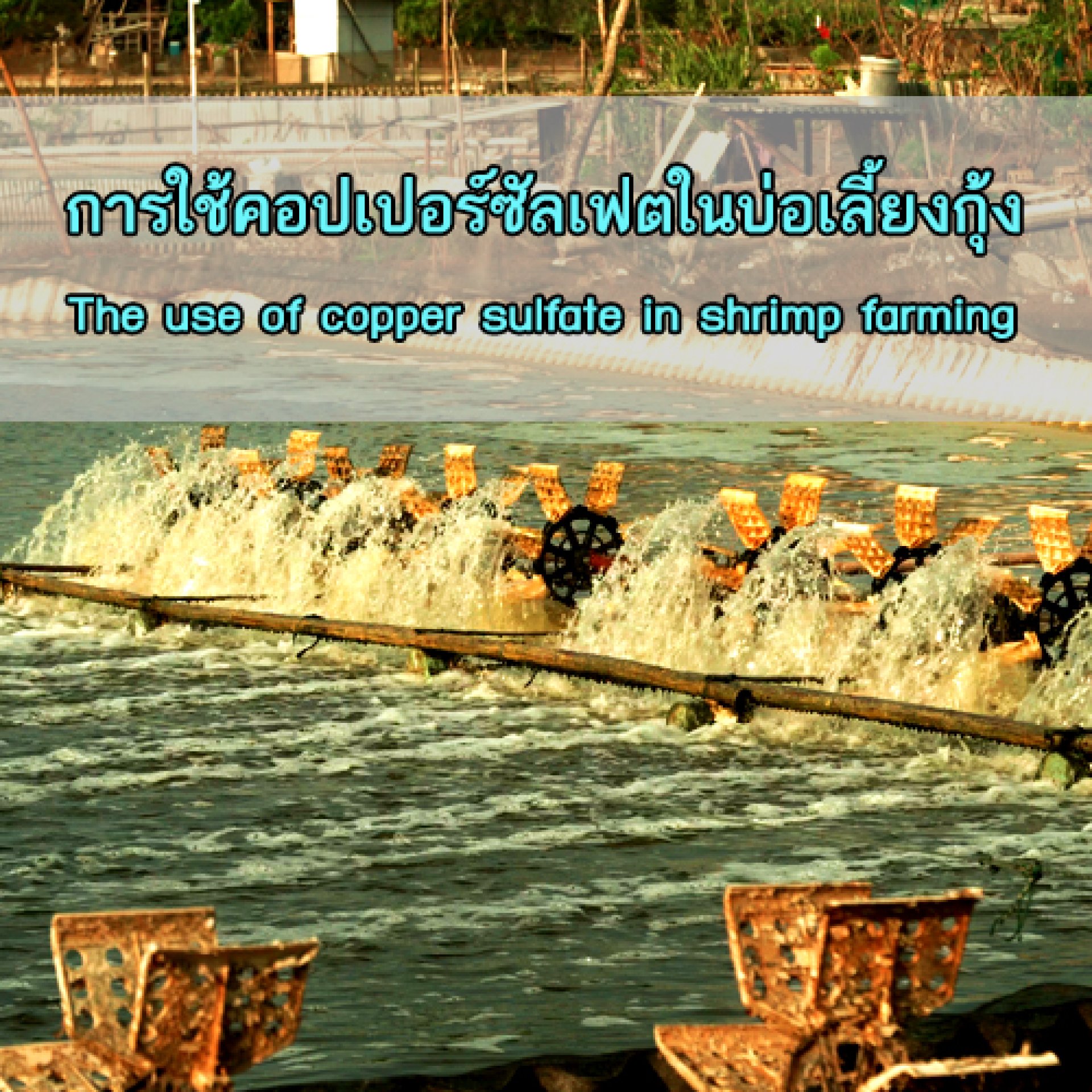
Copper sulfate is utilized in aquaculture for a variety of purposes. Key applications include controlling blue-green algae—which causes unpleasant off-flavors and odors in farmed aquatic species—treating specific aquatic diseases and parasites, and eliminating unwanted snails from ponds.
However, high concentrations of copper in water can be toxic to shrimp and other aquatic life. For a safe and effective application, the recommended treatment rate for copper sulfate pentahydrate in shrimp ponds is 0.01 times the total alkalinity. For instance, if the total alkalinity is 100 mg/L, the maximum safe treatment level is 1 mg/L of copper sulfate, which translates to approximately 0.25 mg/L of actual copper. This concentration is widely of actual copper. This concentration is widely considered safe because copper levels decline rapidly post-treatment, returning to baseline levels within 48 to 72 hours (based on data from ictalurid catfish ponds in Alabama, USA). Furthermore, research indicates that active copper concentrations rarely even reach the maximum predicted level of 0.25 mg/L.
Copper is an essential micronutrient for both plants and animals. It plays a vital role in cuproenzymes, which catalyze critical biological reactions. For shrimp, copper is absolutely indispensable as a component of hemocyanin—the metalloprotein in their blood that binds with oxygen to facilitate respiration. In essence, copper functions in hemocyanin much like iron does in the hemoglobin of vertebrates; life simply cannot exist without it.
While copper sulfate is widely adopted globally to manage algae-induced taste and odor issues, it is true that we cannot definitively guarantee it will never cause environmental side effects or food safety risks under any circumstances. Nevertheless, there is no justifiable reason to ban copper in aquaculture, provided that fundamental precautions are carefully followed. To ensure sustainability, copper treatments in aquaculture ponds should be practiced responsibly and applied only when genuinely necessary.