Ferric Chloride: Essential for Wastewater Treatment
Last updated: 2 Jul 2026
6704 Views
How Is Ferric Chloride Used in Water Treatment?
This article aims to provide you with a deeper understanding of Ferric Chloride in wastewater treatment, including its applications, benefits, and potential drawbacks. Wastewater treatment involves multiple stages, each with its own specific requirements. Ferric Chloride is primarily utilized to remove suspended solids, organic matter, and heavy metals from wastewater. Thanks to its high efficiency in these areas, it has become a top choice for many treatment plants.
Chemical Properties of Ferric Chloride
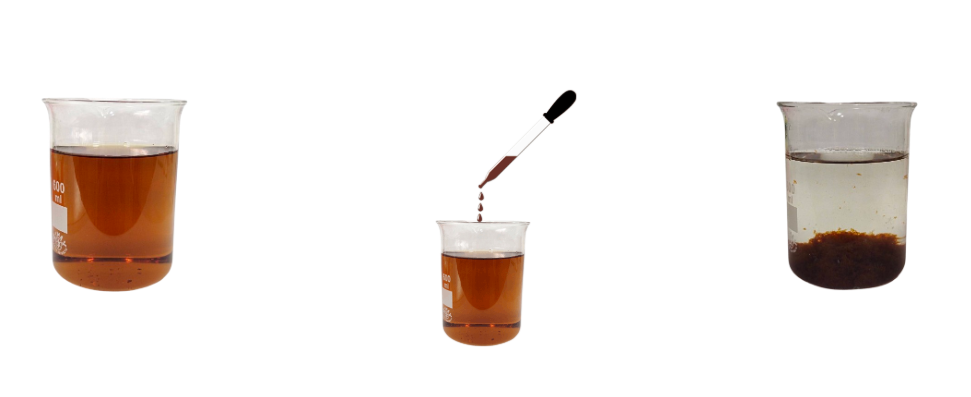
Ferric Chloride is an inorganic compound with the chemical formula FeCl3, commonly used as a coagulant in wastewater treatment. This compound is highly soluble in water. When added to water, Ferric Chloride undergoes hydrolysis to form ferric hydroxide, which acts as a precipitate (floc). This precipitate attracts and binds with other particles in the water, causing them to clump together into larger sizes that are much easier to remove. This is the primary mechanism by which Ferric Chloride helps treat wastewater effectively.
Benefits of Using Ferric Chloride in Wastewater Treatment
Utilizing Ferric Chloride in wastewater treatment offers several key advantages.
-
First and foremost, it is highly effective at removing suspended solids, organic matter, and heavy metals from water. This exceptional capability makes Ferric Chloride an invaluable tool in the wastewater treatment process.
-
Secondly, Ferric Chloride is highly efficient in removing phosphates from wastewater. This is a crucial step, as phosphate is a common pollutant that can cause significant environmental damage if not properly treated and removed.
Conclusion
In conclusion, Ferric Chloride is an incredibly useful tool in wastewater treatment. Its high efficiency in removing various pollutants from water—including suspended solids, organic matter, heavy metals, and phosphates—makes it a preferred choice for many treatment plants.
However, it is equally important to be mindful of its potential drawbacks. These include its corrosive nature, the necessity for careful storage and handling, and the risk of increased salinity in the treated water. By thoughtfully managing these challenges, you can ensure that Ferric Chloride is utilized both effectively and safely in your wastewater treatment processes.